What Is Ramadan?
Meaning, Importance & Global Observance
Ramadan is one of the most sacred months in the Islamic calendar. It is a time when Muslims around the world focus on worship, self-control, and doing good deeds. The month of Ramadan is not just about fasting. It is a time for spiritual reflection, prayer, and improving oneself morally and socially. During this month, Muslims strive to follow the Ramadan fasting rules and avoid sinful acts, drawing closer to Allah.
Fasting in Ramadan is obligatory fasting in Islam for every adult who is healthy. However, there are exceptions and ways to make up for missed fasting. Ramadan in Islam is observed differently across the globe, but the essence remains the same: devotion, discipline, and generosity.
What is the Meaning of the Word ‘Ramadan’?
The meaning of Ramadan comes from the Arabic word “Ramad,” which relates to heat or dryness. Scholars explain that during Ramadan, sins are burned away through worship, self-control, and good deeds. In simple terms, Ramadan blessings is the Islamic month of fasting aimed at spiritual and moral growth.
Muslims use this month to improve their character. Fasting, praying, and giving charity help in controlling desires, increasing empathy, and drawing closer to Allah. Prophet Muhammad (PBUH) said, “Whoever fasts Ramadan with faith and seeking reward, all his past sins will be forgiven.” This shows how the importance of Ramdan goes beyond physical fasting.
When Does Ramadan Start? (Dates, Calendar & Moon Sighting)
In 2026 Ramadan Mubraik will begin from 18 February around the world. Ramadan is the ninth month of the Islamic calendar. This calendar is a lunar calendar in Islam, based on the moon’s cycles. Unlike the Gregorian calendar, Ramadan does not start on the same day every year. It shifts by 10–11 days earlier each year.
The start of Ramadan is confirmed by the moon sighting Ramadan, usually when a crescent moon is visible. Countries may begin Ramadan on different days depending on local observations. Muslims eagerly await this sighting, as it marks the first day of fasting and worship.
Fasting in Ramadan
Fasting from dawn to sunset is a core part of Ramadan. Every adult Muslim who is healthy must abstain from food, water, and other things during daylight. The fast begins at dawn (Suhoor) and ends at sunset (Iftar).
Fasting is not just physical. It teaches patience, self-control, and empathy for the poor. Quran mentions, “…eat and drink until the white thread of dawn becomes distinct from the black thread of night, then complete the fast until sunset”
(Quran 2:187)
Following these Ramadan fasting rules allows Muslims to purify their souls and increase their spiritual rewards.
What to Avoid During Fasting?
Fasting requires more than avoiding food and drink. Muslims should avoid anything that breaks their fast physically or spiritually. Key points include:
Prophet Muhammad (PBUH) said,
“Whoever does not give up false speech and acting upon it, Allah has no need of him leaving his food and drink” (Sahih al-Bukhari 1903). This shows that moral conduct is essential while observing Ramadan.“
Who is Exempted From Fasting?
While fasting is obligatory in Islam, some people are allowed not to fast. These include:
These exemptions from fasting show that Islam is flexible and compassionate. People who cannot fast for valid reasons are still rewarded for good deeds and can perform alternative acts of worship.
How to Make Up for Missed Fasting?
There are two ways to compensate for missed fasting:
Making Up the Fast Later (Qada)
Muslims who miss fasts due to travel, illness, or pregnancy must fast later. Quran states,
“…whoever is ill or on a journey, then an equal number of other days (must be made up)”
(Quran 2:185)
This ensures fairness while maintaining spiritual obligations.
Giving Charity Instead (Fidya)
Some people, like the elderly or chronically ill, cannot fast. They give Fidya, which is feeding a poor person for each missed day. Quran says,
“…feeding a poor person”
(Quran 2:184)
Suhoor and Iftar in Ramadan
Although Muslims fast throughout the day, they have two main meals during Ramadan, which are:
Suhoor (Pre-Dawn Meal)
Suhoor, the pre-dawn meal, is essential for fasting. It provides energy, hydration, and strength for the day. Muslims often eat balanced foods like eggs, fruits, whole grains, and yogurt.
Prophet Muhammad (PBUH) said,
“Eat Suhoor, for in Suhoor there is blessing”
(Sahih al-Bukhari 1923)
Suhoor also prepares Muslims spiritually, helping them wake up for Fajr prayer and begin the day in worship.
Iftar (Breaking the Fast)
Iftar is the meal at sunset that breaks the fast. Traditionally, Muslims break fast with dates and water, following the Sunnah. Iftar is also a time for family gatherings, community meals, and gratitude.
The Prophet (PBUH) said,
“When anyone breaks his fast, let him break it with dates. If he cannot, then water”
(Sunan Ibn Majah, 1699)
Providing Iftar to others is also a form of charity in Ramadan.
Taraweeh Prayers in Ramadan
Taraweeh prayers are special night prayers performed after Isha. They are unique to Ramadan and help Muslims engage with the Quran. Praying Taraweeh with sincerity wipes away past sins.
Prophet Muhammad (PBUH) said,
“Whoever prays during Ramadan with faith and seeking reward, his past sins will be forgiven”
(Sahih al-Bukhari, 1802)
These night prayers in Ramadan strengthen the spiritual connection of Muslims.
How to Perform Taraweeh Prayers?
Taraweeh is performed in sets of two rakats. Mosques worldwide offer congregational prayers, but they can also be performed at home. The goal is to reflect on the Quran and earn blessings. Many aim to complete the Quran during the month.
Night of Laylat-ul-Qadr in Ramadan
Laylat-ul-Qadr, also called the Night of Power, is one of the most sacred nights. It is believed to occur in the last ten nights of Ramadan, especially on odd-numbered nights.
The Quran states,
“The Night of Decree is better than a thousand months”
(Quran 97:3)
Worship, prayers, and good deeds on this night bring immense rewards. Muslims spend the last ten nights intensely praying, seeking forgiveness, and asking for blessings.
Charity and Good Deeds in Ramadan
Charity in Ramadan is highly encouraged. Muslims give money, food, or help the needy. Acts of generosity are multiplied in reward during Ramadan.
Prophet Muhammad (PBUH) said,
“The Prophet was the most generous of all people, and he became more generous in Ramadan”
(Sahih al-Bukhari 3554)
Examples of good deeds include donating meals, supporting poor families, and feeding fasting people. Ramadan encourages empathy, kindness, and social responsibility.
How is Ramadan Observed Worldwide?
Middle East
In the Middle East, Ramadan traditions worldwide are deeply integrated into daily life. Working hours are shortened, restaurants close during fasting hours, and evenings are full of prayers and family gatherings.
Asia and Africa
Countries like Indonesia, Pakistan, Nigeria, and Egypt observe Ramadan with cultural festivals, community events, and special foods. Many organize collective prayers and charity events.
Europe and North America
Muslims in the West balance fasting with work or school. Mosques organize joint Iftar events and night prayers. Ramadan awareness grows through community programs and interfaith activities.
The End of Ramadan: Eid al-Fitr
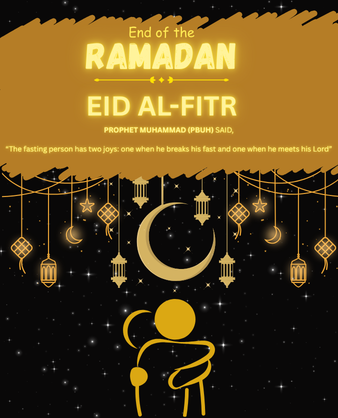
Ramadan concludes with Eid al-Fitr celebration. It is a day of joy, gratitude, and family gatherings. Muslims pray, give charity, and share festive meals.
Prophet Muhammad (PBUH) said,
“The fasting person has two joys: one when he breaks his fast and one when he meets his Lord”
(Sahih al-Bukhari 1904)
Eid marks the end of Ramadan and celebrates discipline, worship, and compassion practiced throughout the month.
Conclusion
Ramadan is more than fasting. It teaches patience, kindness, and devotion to Allah. Muslims worldwide observe Ramadan differently, but the goal remains the same: spiritual growth, moral improvement, and closer connection with Allah. Suhoor, Iftar, Taraweeh prayers, Laylat-ul-Qadr, and charity make this month unique and rewarding.